Banashankari Full Moon: Rituals, Temples, and Living Heritage


%202.png)


The Cosmic Rhythm of Full
Moons
In Hindu tradition, the waxing and waning of the moon is not merely an
astronomical cycle—it is a spiritual rhythm. Both Amavasya (new moon)
and Purnima (full moon) are considered powerful thresholds for worship,
fasting, and renewal. Each of the twelve full moons of the year carries its own
significance, but the Pushya Masa Purnima, also known as the Banashankari
Full Moon or Banana Full Moon, holds a special place in the
devotional calendar.
Pushya Masa Purnima: in January
In 2026, Paush Purnima (Pushya Purnima) will be observed on Saturday, January 3rd, with the Purnima Tithi beginning late on January 2nd and ending in the afternoon of January 3rd. This day is considered highly auspicious in Hindu tradition, marking the start of the Magha Snana, when devotees take holy dips in sacred rivers such as the Ganga and Yamuna for spiritual purification. It is also a time for fasting, charity, and performing the Satyanarayana Puja to invoke Lord Vishnu’s blessings for prosperity and harmony. While January 10, 2026, still falls within the Paush month and carries its own temple festivities—including the Banashankari Full Moon celebrations in Karnataka—the true observance of Paush Purnima centers on January 3rd, making it a significant day of devotion, ritual bathing, and renewal. On this day:
- Devotees
observe Purnima fasting, a practice of purification and discipline.
- Families
perform the Sri Satyanarayana Puja, invoking Lord Vishnu’s
blessings for prosperity and harmony.
- The
sacred Magha Snana (holy bath) begins, marking the transition into
a season of renewal.
- A lunar
eclipse coincides, but since it carries no religious significance,
worship continues throughout the day under the auspicious full moon yoga.
Satyanarayana Puja: A Ritual
of Prosperity
The Satyanarayana Puja is especially revered on full moon days.
Considered a direct invocation of Lord Vishnu, it is performed to ensure
happiness, prosperity, and peace within the household. Families gather to
recite the Satyanarayana Katha, often led by Brahmins, weaving together
storytelling, ritual, and devotion.
Banashankari Devi: The Goddess
of Fulfillment
The Banashankari Full Moon is inseparable from the worship of Banashankari
Devi, a goddess believed to grant the fulfillment of desires and protection
from misfortune. Across Karnataka, her temples become centers of vibrant
celebration:
- Banashankari
Amman Temple (Kanakapura Road, Bangalore):
Special rituals and decorations are held from January 10–17, with
the goddess adorned in gold, silver, and diamond ornaments.
- Malleswaram
Sri Mahaganapati Temple: Hosts Banashankari Devi
festivities, drawing devotees from across Bangalore.
- Badami
Banashankari Temple (Bagalkot district): Famous for its grand
chariot processions and fairs, where devotion blends seamlessly with
community celebration.
Devotees believe that worshiping Banashankari Devi on this day ensures
the accomplishment of all endeavors. Rituals are especially emphasized on Tuesdays,
Fridays, and Sundays, days considered sacred to the goddess.
Village Fairs and Folk
Traditions
Pushya Masa is not only about temple rituals—it is also a season of
rural festivity. Villagers from surrounding districts travel in decorated
carts, carrying traditional foods like kadak corn bread, hambal kalya
(sabzi), yogurt, and chutney. Oxen are adorned with colorful ornaments, and
fairs feature:
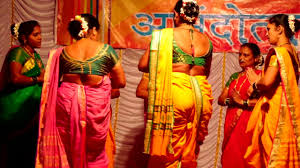
- Folk
dramas and touring talk shows, once famous for their
cult comedies.
- Circuses
and street performances, entertaining children
and families.
- Sacred
rituals, such as sculpting cows on rafts and bathing in temple ponds,
believed to absolve sins.
These fairs transform the full moon into a harvest festival, blending
devotion with joy, and sustaining traditions that have been passed down for
generations.
Living Heritage in Urban
Temples
Even in bustling cities, the Banashankari full moon retains its power.
The Malleshwaram temple complex, known as the “Complex of the Gods,”
remains crowded with devotees. Managed under the Muzarai department, it
continues to uphold rituals that connect modern worshippers with ancient
traditions.
A Moon of Renewal
The Banashankari Full Moon is more than a date on the calendar—it is a living
heritage. It gathers together fasting, puja, temple rituals, village fairs,
and community joy under the luminous presence of the moon. For devotees, it is
a reminder that the cycles of nature and the rhythms of worship are
inseparable, guiding both spiritual renewal and cultural continuity.





Comments