Ainmane: The Sacred Hearth of the Kodava Community "Rituals of Memory, Lineage, and Belonging"


For the Kodava people of Kodagu, the Ainmane is more than a house. It is the ancestral hearth, the spiritual and social nucleus of each okka (clan). Within its walls, generations gather to celebrate, to mourn, and to remember. Every Ainmane carries the pulse of lineage, echoing with stories of those who came before.
At the heart of its ritual life is Karanang Kodpu—the
offering to ancestors. This ceremony binds the living to the departed, ensuring
continuity of blessings. Food is offered, prayers are spoken, and symbolic
gestures reaffirm the clan’s gratitude. In these acts, memory is not
abstract—it is embodied, performed, and shared.
At the heart of its ritual life is Karanang Kodpu—the
offering to ancestors.
• Elders prepare ritual food and light lamps in the sacred corner of the Ainmane.
• Prayers
invoke the blessings of ancestors, and offerings are placed before the lamp
(Meedhi).
• Special
dishes such as Thamabuttu (banana with sweetened rice flour), Kalanji (yam or
sweet potato dish), Pandi curry (pork curry), and Kadambuttu (rice dumplings)
are offered to ancestors before being shared with the clan.
• This act
of remembrance binds the living to the departed, ensuring continuity of
blessings.
Equally significant is Puthari (Huttari), the harvest
festival. Celebrated in the Ainmane, it marks abundance and renewal. Families
gather to cut the first sheaf of paddy, offer it to the ancestors, and share
festive meals. The ritual is both thanksgiving and promise: a recognition of
the earth’s bounty and a prayer for continuity. In the Ainmane, Puthari becomes
a communal act of joy, binding the clan together in prosperity and remembrance.
Equally significant is Puthari (Huttari), the harvest
festival.
• The Lamp and the Rice: At night, a woman leads the procession to the paddy fields carrying a lit lamp. The eldest family member cuts the first sheaves of rice (paddy) and later places them before the sacred lamp at home.
• Chants of
Prosperity: The community raises the cry “Poli Poli Deva” (May God grant
abundance), worshipping the grains as a sign of prosperity for the year ahead.
• Offerings
and Feast: The harvested rice is offered to ancestors, alongside festive
dishes, and then shared in a communal meal.
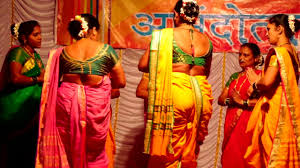
• Attire:
Men wear the Mande Thuni—a gilded turban or red-and-white checkered scarf—while
women wear matching headscarves with their saris, adding color and dignity to
the occasion.
The Ainmane is also the site of clan gatherings where
decisions are made, disputes are resolved, and traditions are passed on. It is
where children learn the rhythms of heritage, and elders transmit wisdom. Each
ritual performed here—whether Karanang Kodpu or Puthari—is a thread in the
tapestry of belonging, weaving together past, present, and future.
To step into an Ainmane is to step into a living archive. Its walls hold not just architecture but spirit. Its rituals remind us that heritage is not static—it is enacted, sung, and lived. For the Kodava community, the Ainmane remains the sacred hearth where memory, identity, and prosperity are continually renewed.becomes a communal act of joy, binding the clan together in prosperity and remembrance.






Comments