Odi Biyyam / Vodi Biyyam: A Ritual of Rice, Reverence, and Return— A Telangana Telugu Tradition of Lifelong Blessings


In the heart of Telangana, where traditions
bloom like marigolds in courtyards, Odi Biyyam—also known as Vodi
Biyyam—remains a quietly profound custom. It transcends caste and time,
echoing the enduring bond between a married woman and her natal home. Though
its prevalence varies, and its practice among Brahmin communities may be less
common, its emotional and symbolic weight is deeply felt across Telangana
Telugu households.
What Is Odi Biyyam?
The term itself is poetic: Vodi means
womb or lap, and Biyyam means rice grains. The ritual involves filling
the lap of a married woman with rice and other gifts, symbolizing blessings,
prosperity, and the lifelong emotional responsibility her birth family carries.
Performed for married couples, the ceremony
features five married women who come one after another to pour rice into
a cloth tied around the woman’s neck and held in both hands—forming a
basket-like shape that evokes the womb. This act honours the woman as a living
embodiment of Goddess Lakshmi, the deity of wealth and prosperity.
When and Why It Is Performed
Odi Biyyam is not
confined to one life event—it is a recurring ritual of sanctity and
celebration. Families perform it during:
- Attaining puberty
- Marriage ceremonies
- Childbirth (Barasala)
- Housewarming functions
- Satyanarayana Vrutam,
especially after painting or whitewashing the home
- Thread ceremony (Upanayanam) of a son
- A daughter’s wedding
- Odd-numbered years after
marriage (e.g., 3rd, 5th, 7th year)
- As a final rite of
respect for a woman who passes away as a muththaiduva (a married
woman whose husband is alive)
Some families observe Odi Biyyam every
3 or 5 years, regardless of specific events. It’s not limited to daughters
alone; the ritual extends to her husband, children, and even her in-laws. In
cases where a woman has no birth family, her in-laws may lovingly perform the
ceremony.
Significance of the Ritual
- Continuing Support: The
ritual reaffirms that a daughter’s marriage does not end her parents’
responsibility or affection. The grains and gifts are a quiet promise of
lifelong support.
- Blessings for Prosperity: The
act of filling the lap (vodi) with rice (biyyam) is a
blessing for happiness, wealth, and a harmonious family life. The woman is
revered as a form of Goddess Lakshmi.
- Family Bonds: The
ceremony brings together the daughter, her husband, and extended
relatives, strengthening intergenerational and community ties.
- Symbolic Offerings:
Alongside rice, five types of fruits and sweets are placed and then taken
away, and the ritual concludes with an aarti—a lighted lamp waved
in reverence.
The Dawat: A Culinary Return of Blessings
Tradition holds that within a month of
receiving Odi Biyyam of 5-10 kgs of rice, the woman’s family must invite
her natal family for a meal—called a Dawat in Telangana dialect. The
rice gifted during the ritual is cooked and shared in a warm gathering, turning
symbolic grain into communal joy. It’s a gesture of gratitude, reciprocity, and
celebration.
The joy of this moment is boundless. The woman calls neighbours, shares the story, and proudly says, “My birth family poured rice cake.” Ten people are invited, the rice is cooked, and the wealth of love is distributed through food, laughter, and memory.
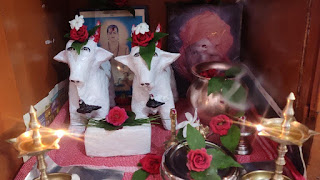
Beyond the Dawat, some communities deepen the ritual through the sanctification of everyday vessels and symbolic offerings. The humble Kurradu Kundalu or Kurradi Kunda—an earthen pot once used extensively for cooking rice and gruel—is transformed into Mother Goddess by smearing it halfway with white lime paste and marking a half‑moon with a dot, a sacred emblem of fertility and protection. Food prepared from the rice received in Odi Biyyam, along with vegetables and dishes, is first offered to this vessel in reverence before being shared with guests. The ritual extends generosity to the newly married couple and their families: sarees, blouse pieces, and new clothing are gifted not only to the bride and groom but also to in‑laws and sisters‑in‑law, while trays of coconuts, dates, betel leaves, and nuts accompany the offerings. Five married women—including the mother—gather to mix turmeric and oil into the rice from beneath the bowl, singing songs that echo blessings of prosperity and continuity. In earlier times, goldsmiths crafted ritual items like silver combs, mirrors, and dolls, though today these are often replaced with plastic, reflecting both adaptation and loss of artisanal heritage. The ritual follows a rhythm of odd‑numbered years—1, 3, 5, 9, and 11—avoiding certain lunar days and months deemed inauspicious, while auspicious months such as Śravaṇa, Kartika, and Margashira are preferred. In cases of discontinuity, families may restart the sequence, underscoring the importance of continuity in tradition. Some households observe vegetarian feasts after the ritual, while others include non‑vegetarian dishes, showing the diversity of practice within a shared cultural frame.
In cases where the mother is a widow, the responsibility of performing Odi Biyyam shifts with dignity to other family members. If the mother’s son is married, he and his wife take on the role of conducting the ritual for his sister, ensuring continuity of blessings. Should an inauspicious incident occur in the maternal family, the ceremony may be postponed to the following year with mutual consent of both families. If the ritual must be observed despite such circumstances, the daughter’s elder sister steps forward, embodying the mother’s role and performing the rite with reverence. These variations reveal the resilience of Odi Biyyam: even in moments of loss or disruption, the ritual finds a way to affirm bonds of care, responsibility, and continuity.
Echoes Across Regions
Similar customs exist in other Indian states—such as Udi Tumbodu in Karnataka—but Odi Biyyam in Telangana carries a uniquely expansive emotional and ritual depth. It is not merely a symbolic gesture, but a living tradition that continues across decades, life stages, and even generations. Udi Tumbodu is a ritual deeply embedded in Brahmin traditions, performed both during auspicious ceremonies and as a gesture of farewell. In marriages and seemanthas, the ritual sanctifies the occasion by filling the lap of the woman with rice, turmeric, betel nut, dry date, and cloth — symbols of prosperity, fertility, and blessings. Beyond these milestones, it is also practiced when guests depart, ensuring that every leave-taking is marked with reverence and abundance. The act of “filling the lap” embodies the Brahminical ethos of hospitality and continuity, where even simple offerings carry profound meaning. In this way, Udi Tumbodu becomes a living rhythm of blessing, reaffirming kinship ties and prosperity across life’s sacred events.
The Uttadatti ceremony, also known as Oddakki or Uddaki, is a cherished tradition of North Karnataka. While it shares similarities with the well‑known Udi Tumbodu ritual, its focus is distinct: it celebrates and blesses the girl child before marriage or impending motherhood. The ceremony is typically organized by the maternal side of the family, who adorn the girl with a saree and ornaments, shower her with gifts, and perform an aarti to invoke blessings.
The atmosphere is vibrant and communal, with relatives gathering to share food and joy, turning the ritual into both a spiritual and social celebration. Symbolically, Uttadatti represents prayers for a prosperous future, affirming the girl’s place in the family and community.
In contrast, Udi Tumbodu is strongly linked to fertility and the well‑being of a married woman, especially during pregnancy. Together, these rituals highlight the continuum of blessings in Karnataka’s cultural life: Uttadatti honors the girl child at the threshold of her life stages, while Udi Tumbodu sanctifies the married woman’s journey into motherhood and family prosperity.
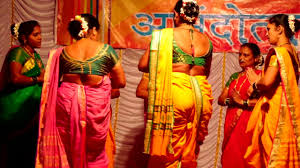
Oti Bharana
in Maharashtra indeed resonates strongly with the symbolism of Odi Biyyam and
Udi Tumbodu, yet carries its own regional flavor. In
Maharashtra- similar to odi Biyyam-"Oti bharana" (sometimes spelled
as "Otee bharana" or "Oti bharna") is a
traditional ritual in Maharashtra where offerings are made to a goddess or
married woman (representing the goddess) and is generally practiced by all
Hindu castes in the region. The practice is a significant part of various
religious ceremonies and festivals, such as Gauri Puja during the Ganesh
festival and other harvest festivals. While the fundamental ritual is
widespread, specific details or customs may vary slightly depending on
individual family traditions or the specific regional caste practices within
Maharashtra. The custom typically involves the following items: Coconut A whole
coconut (often with the husk) is a primary offering. Blouse piece A piece of
unstitched cloth used to make a blouse. Rice A small quantity of raw rice.
Haldi-Kumkum Turmeric powder and vermillion powder, which are considered
auspicious symbols of married life. Bangals and sweets Sometimes bangles and a
small offering of sweets are also included. The general idea is to offer these
items into the oti (the front fold of a woman's sari at the waist) of a married
woman as a mark of respect, seeking blessings for a long and happy married life
and the well-being of the family.
A Living Gift, Not Just a Ritual
Odi Biyyam is not
just a celebration—it is a priceless gift. It is the father saying, “I
am still your father,” the mother whispering, “I am still your mother,” and the
elder brother blessing her with golden fortune. From the wedding day onward,
the ritual continues—through turmeric, saffron, peanuts, kuduka, and green
gram—marking every milestone with love.
It is not about how much it costs. It is about
the good fortune that flows from the birth family, the emotional wealth
that nourishes a woman’s spirit, and the communal joy that ripples through
every shared meal.
Though each ritual carries its own regional flavor and community context, together they reveal a profound cultural continuity: the lap becomes a sacred vessel, symbolizing receptivity, abundance, and the transmission of blessings across life stages — girlhood, marriage, motherhood, and beyond. These practices embody the ethos that every threshold in life, whether arrival or departure, must be marked with reverence, gratitude, and prosperity, preserving familial bonds and living heritage across generations.



Comments