Significance of Mahalaya Paksha-Mahalaya Amavasaya
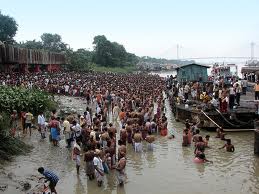
Mahalaya Paksha, or the fortnight, is especially sacred for offering oblations to the departed ancestors. This period is known as the "Dark Fortnight" of the Aswayuja month (September-October). The paksha month starts on the full moon day and extends up to the following new moon day. This New Moon Day is considered the most important day in the year for performing obsequies and rites. This New Moon Day is also called "Sarva Pitru Amavasaya." Many Hindus choose this day to make offerings called Tharpanam or Tarapan to the dead ancestors.
Every month has one Amavasya—each Amavasya is regarded as the important day to remember ancestors. The Mahalaya Amavasya is regarded as the most important day of all the Amavasya. If an individual fails to offer on all the Amavasya days, it is excusable but not on Mahalaya Amavasya day.
The story behind the festival The Mahabharata provides the story behind the festival. from the Mahabharata.
The story of why the Pitru Paksha is marked by daan and charity has its deep ingrained meaning in a story of the Mahabharata. The renowned hero of the Mahabharata, Karna, when he left the mortal coil, ascended to the higher worlds, and the enormous charity he had done here was returned to him a hundredfold. But it was all gold and silver; there was no food, as he had not done any food charity! He prayed to the god of death. So, he was sent back to earth for fourteen days to make up for this deficiency.
For fourteen days, he fed Brahmins and the poor and offered oblations of water. On his return to the higher regions, he had food in plenty. It is these fourteen days that the Mahalaya Paksha commemorates. in the Mahalaya Paksha. The god of death has decreed that offerings made during this time benefit all departed souls, whether or not they are related to you.
Charity in the form of food is important during this observance. Life depends upon food. You cannot preach religion to empty stomachs. This human body is the most important vehicle for realizing God. Food that keeps the body fit for yoga must be incredibly precious! The gift of food is the greatest gift. Therefore, give food in plenty, not only during the Mahalaya fortnight but all through the year.
Amavasa is regarded as an auspicious day in Tamil Nadu, unlike in other regions of India, where it is considered a dark and inauspicious day, often seen as a bad omen. Some don't even travel on Amavasa day. In Tamil Nadu, however, it is customary to start any good thing or work, such as signing a deal, on Amavasa day. However, marriages and housewarming ceremonies are forbidden on this day. Some communities do regard Amavasa as "Lakshmi Day," especially Khatris in Maharashtra, Karnataka, and so on. They clean up the whole house and do Pooja, worshipping Goddess Lakshmi, the Goddess of Wealth.
Is Amavasya auspicious or inauspicious?
There is an ongoing debate on whether Amavasya is an auspicious day or an inauspicious day.
There is a natural rise of energies—both positive and negative—on New Moon Day-Amavasya and on Full Moon Day-Pournima. As a result, Amavasya and Pournima are also regarded as special days for increasing spiritual knowledge or power. They are also the days for evoking negative energies, especially Amavasya. In the absence of the moon, Amavasya night is pitch dark, and this provides the ideal setting to invoke evil powers.
Metaphorically, the period from Amavasya to Pournima is considered a time of rising days; this transition from darkness to light represents the gradual awakening and transcendence into fullness. From darkness to the gradual realization of the Supreme Soul.




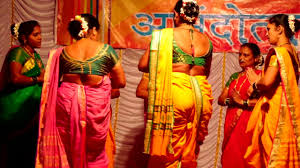
The Navaratri Ustav marks the beginning of this day. Tamilians arrange "Golu Padi" and the "Gollu Bommai-Dolls." On this day devotees perform Durga Pooja, Kali Puja Homas, and Chandi Homas to invoke the divine energies. On this day, devotees perform rituals to evoke the divine energies.





Comments