Tulasi Lagna: The Sacred Awakening of Uttana Dwadashi -- A celebration of divine renewal, feminine grace, and cosmic rhythm

As the moon waxes in the Karthika month, a
gentle stirring is felt in the cosmos. Uttana Dwadashi arrives like a divine
breath—marking the end of Chaturmas and the awakening of Lord Vishnu from his
four-month yogic slumber. Known also as Tulasi Vivaha, this festival is
a luminous confluence of devotion, cosmic renewal, and sacred union.
Vishnu
Awakens: The End of Chaturmas
Uttana Dwadashi heralds the end of Chaturmasya,
a period traditionally considered inauspicious for major rituals. With Lord
Vishnu’s awakening, the universe is believed to resume its creative rhythm.
This day opens the auspicious season for Hindu weddings and spiritual
ceremonies, symbolizing the return of divine activity and grace.
Tulasi Vivaha: A Divine Marriage
At the heart of the celebration lies the
symbolic wedding of the Tulasi plant—revered as an earthly embodiment of
Goddess Tulasi—to Lord Vishnu, often represented by a Saligrama (sacred
black stone) or a branch of the Indian Gooseberry (Amalaki) in his
absence. This ritual, performed with the devotion and detail of a traditional
Hindu wedding, transforms homes and temples into sacred mandaps of divine
union.
Amla is considered sacred in Hindu tradition
and mythologically linked to Lord Vishnu. In some regional practices, the Amla
branch or fruit used in the ceremony is ritually burnt or immersed after the
wedding—symbolizing purification, the completion of the divine union, and the
return of the sacred form to the elements.
This ritual, performed with the devotion and
detail of a traditional Hindu wedding, transforms homes and temples into sacred
mandaps of divine union.
The use of Amla (Indian Gooseberry) in Tulasi
Vivaha and its symbolic burning carries deep mythological and ritual
significance:
Why Amla Is
Used?
- Sacred Substitute for Vishnu: In
the absence of a Saligrama (the sacred stone representing Lord
Vishnu), a branch or fruit of the Amla tree is used to represent him
during the Tulasi Vivaha ceremony. This is because Amla is mythologically
linked to Vishnu—it is said to have emerged during the Samudra Manthan
(churning of the cosmic ocean), and is considered sacred and nourishing,
earning the name Dhatri (“the supporter”).
Why Amla Is Burnt?
- Symbolic Purification and Completion: In some regional traditions, after the Tulasi Vivaha ceremony,
the Amla branch or fruit used to represent Vishnu is ritually burnt. This
act symbolizes:
- The completion of the divine union and the release of
the symbolic form back to the elements.
- A gesture of purification, returning the sacred offering to
fire, one of the five elements (Pancha Bhootas), which is often
used in Hindu rituals to sanctify and conclude ceremonies.
This practice is not universal—it varies by
region and family tradition. In some households, the Amla is respectfully
immersed in water or placed near sacred trees instead of being burnt.
Would you like me to help you add this as a
sidebar or footnote in your blogpost? It could enrich the cultural depth
beautifully.
Folk Variants: Amla as Rakshasa Husband
While the mainstream Tulasi Vivaha tradition
reveres Amla (Amalaki) as a sacred substitute for Vishnu, there are folk
variants and oral retellings—especially in certain communities—where Amla is
symbolically linked to Tulsi’s earlier, demonic consort. In some oral
traditions, Tulsi is said to have been married to a demon named Shankhachuda or
Jalandhara. After his death, she is spiritually united with Lord Vishnu. In
these versions, Amla may symbolically represent her former consort, and its
ritual burning signifies the end of that karmic bond—a purification before
divine union. Though not part of canonical scripture, this folk layer adds
emotional depth and reflects the transformative power of ritual.
• The
end of Tulsi’s past karmic bond
• A
purification before her divine union with Vishnu
• A
release of negative energy or past attachments
This interpretation is not part of the
canonical scriptural tradition, but rather a folk ritual layer that adds
emotional and symbolic depth to the ceremony. It reflects the idea of
transformation—Tulsi moving from worldly suffering to divine grace.
Rituals of
Reverence
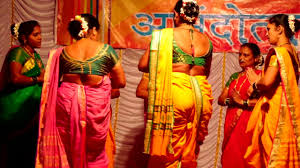
On this day, women—dressed in fresh
traditional attire after a holy bath—gather around the Tulasi plant, often
nestled in a Vrindavana or clay pot. They offer:
- Water and milk
- Kumkuma (vermilion) and Haridra (turmeric)
- Akshata (holy rice anointed with kumkuma, turmeric, and ghee)
- Flowers, fruits, and sweets like puffed rice, fried gram, and
groundnuts
Hymns are sung in praise of Tulasi, and lamps
are lit to honor her divine presence. It is believed that Lord Krishna resides
in the Tulasi plant on this day, making every offering a gesture of love and
cosmic celebration.
Tulasi as
Daughter: The Ritual of Kanyadaan
A deeply symbolic act performed on Uttana
Dwadashi is the gifting of a Tulasi plant as if she were one’s own daughter.
This gesture is considered equivalent to Kanyadaan—the sacred offering
of a daughter in marriage—and is believed to bestow immense spiritual merit
upon the giver.
Regional Devotion and Cultural Significance
Tulsi: Sacred Plant, Healing Presence
Tulsi (Ocimum sanctum), also known as Holy
Basil, is revered across India not only as a divine embodiment of Goddess
Lakshmi but also as a powerful medicinal herb. Spiritually, Tulsi is believed
to purify the home, protect against negative energies, and invite peace and
prosperity. Devotees light lamps and chant mantras near the plant daily,
treating it as a living deity. Medicinally, Tulsi is known for its antioxidant,
anti-inflammatory, and adapt genic properties—supporting immunity, respiratory
health, and emotional balance. Its presence in the courtyard is both a ritual
anchor and a healing companion, bridging the sacred and the everyday.
Tulsi, also known as Vrinda, holds a
revered place in Hindu mythology and culture—both as a divine figure and as a
sacred plant.
Mythological Origins: Daughter of Dharmadhvaja
- In many traditions, Tulsi is described as the daughter of King
Dharmadhvaja, a ruler devoted to righteousness (dharma).
- She is considered an incarnation of Goddess Lakshmi, born on
Earth to fulfill a divine purpose.
- In her earthly form as Vrinda, she was married to the demon
king Jalandhara, known for his immense power and piety. Her
unwavering chastity and devotion protected him from defeat.
Divine Transformation and Union
- When Jalandhara was eventually slain—through divine
deception—Vrinda’s grief and spiritual power led to her transformation
into the Tulsi plant.
- Lord Vishnu, moved by her devotion and sacrifice, promised her
eternal union—thus she became his consort in the form of Tulsi.
- This story is commemorated in the Tulasi Vivaha ritual,
symbolizing her marriage to Vishnu and her elevation to divine status.
Why Tulsi
Is Held in High Regard
- Spiritual Significance:
Tulsi is considered the embodiment of purity, devotion, and feminine
strength. She is worshipped daily in Hindu households and temples.
- Medicinal Value:
Known for its healing properties, Tulsi supports immunity, respiratory
health, and emotional balance.
- Ritual Importance: Her
leaves are offered in prayers, used in sacred water (tirtha), and
considered essential in Vishnu worship.
- Symbol of Dharma and Bhakti:
Tulsi’s story reflects the triumph of devotion over ego, and her presence
is believed to bring peace, prosperity, and protection.
In essence, Tulsi is not just a plant—she is a
living goddess, a symbol of sacred femininity, and a bridge between earthly
devotion and cosmic grace.
Uttana Dwadashi is especially cherished in Southern India, where it is also called Tulasi Pooja or Tulasi Vivaha. Celebrated on the 12th day (Dwadashi) of the bright lunar fortnight (Shukla Paksha) in Karthika Masa, it blends household devotion with communal joy, reaffirming the sacredness of nature, ritual, and feminine divinity.


Closing Reflection
In every offering to Tulasi, we honour the
feminine force that sustains life, devotion, and dharma. Her wedding to Vishnu
is not just a ritual—it is a reminder that the divine resides in the courtyard,
in the clay, in the leaves, and in the love we share. As the cosmos awakens, so
too do our hearts.





Comments